Breast implants have helped millions of women feel more confident and comfortable with their appearance. However, many women eventually reach a point where they desire a change.
Many women loved their breast implants for years but have reached a point in life where they desire a smaller, lighter, more natural appearance. Others are experiencing implant-related concerns such as capsular contracture, implant rupture, discomfort, concerns regarding their health, or dissatisfaction with the size and weight of their breasts.
If you are considering breast implant removal, it is important to understand that the procedure is not simply about removing implants. The real question is:
What will your breasts look like afterward?
At Westlake Plastic Surgery, Dr. Robert Caridi takes a comprehensive approach to breast implant removal that focuses not only on removing implants, but also on creating the best possible breast shape for the future.
With almost 40 years of experience performing breast surgery, Dr. Caridi understands that successful breast implant removal is not simply about removing implants. It is about helping each woman achieve breasts that are natural, proportional, comfortable, and appropriate for the next chapter of her life.
Women choose to remove their breast implants for many different reasons.
Common reasons include:
Many women tell us they loved their implants for years but simply feel that they no longer fit their lifestyle, body, or aesthetic goals.
A growing number of women are choosing to downsize or remove their breast implants altogether.
For many women, the decision is not related to a complication or medical problem. Rather, it reflects a change in lifestyle, personal preferences, and aesthetic goals.
Many women who once desired larger breasts now prefer a lighter, more natural appearance that is proportional to their body. Others find that large implants feel heavy, interfere with exercise, contribute to neck, shoulder, or back discomfort, or simply no longer fit the image they have of themselves.
Breast implant removal or exchange to smaller implants can be an empowering decision that allows a woman to maintain an attractive breast shape while achieving a look that feels more comfortable, natural, and authentic.
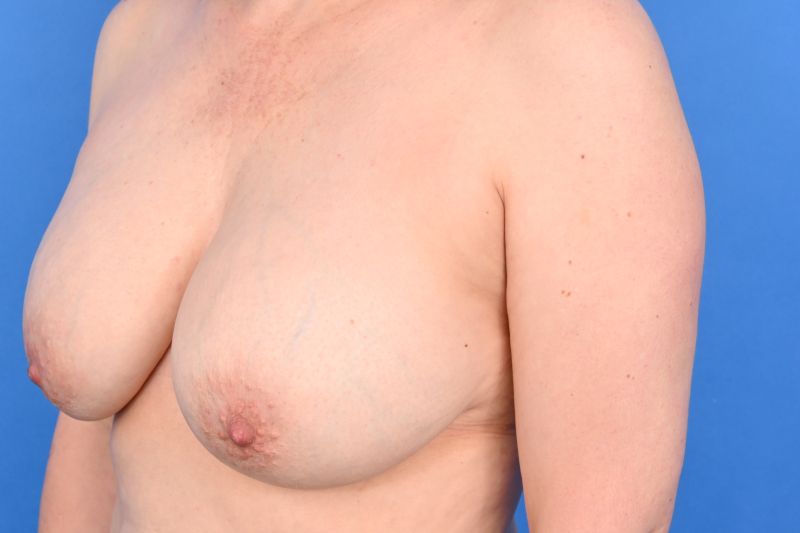
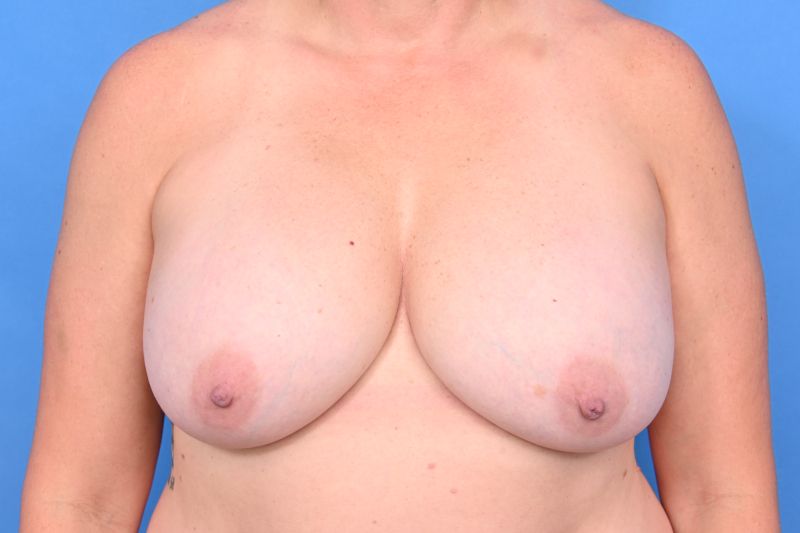
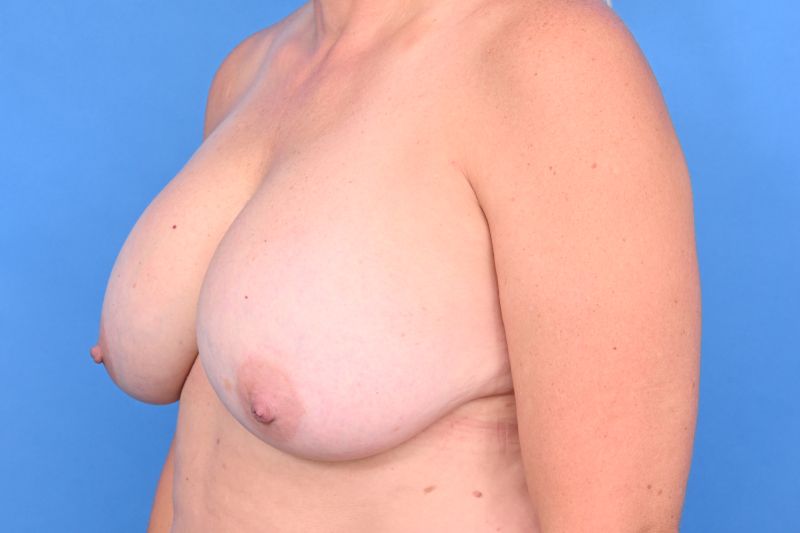
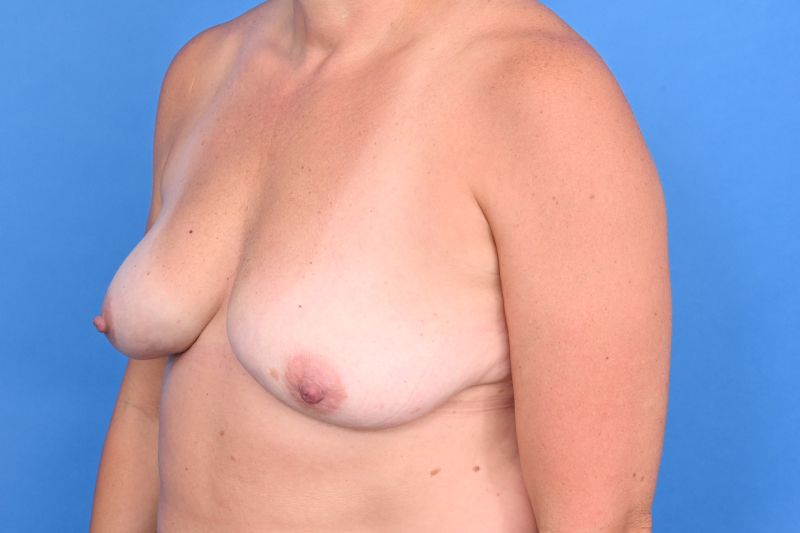
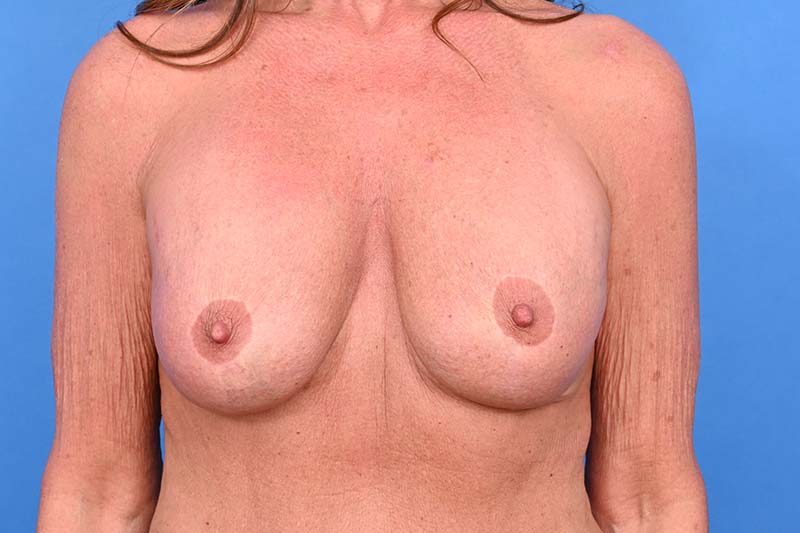
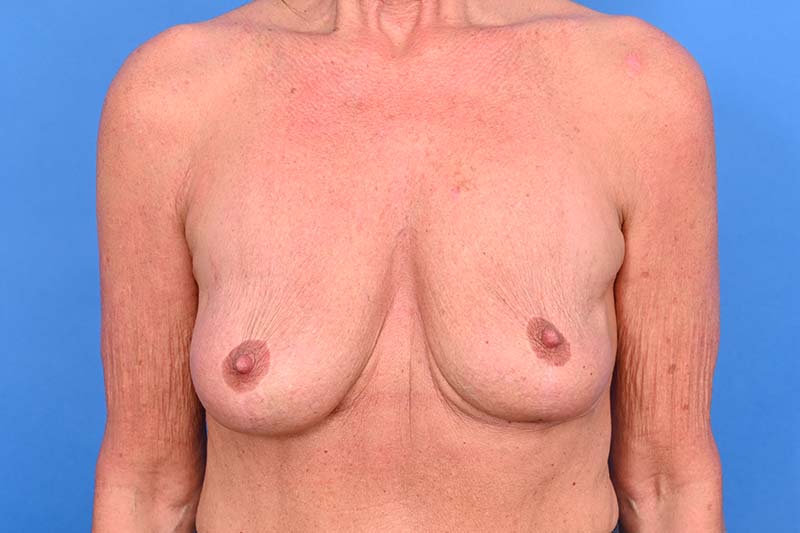
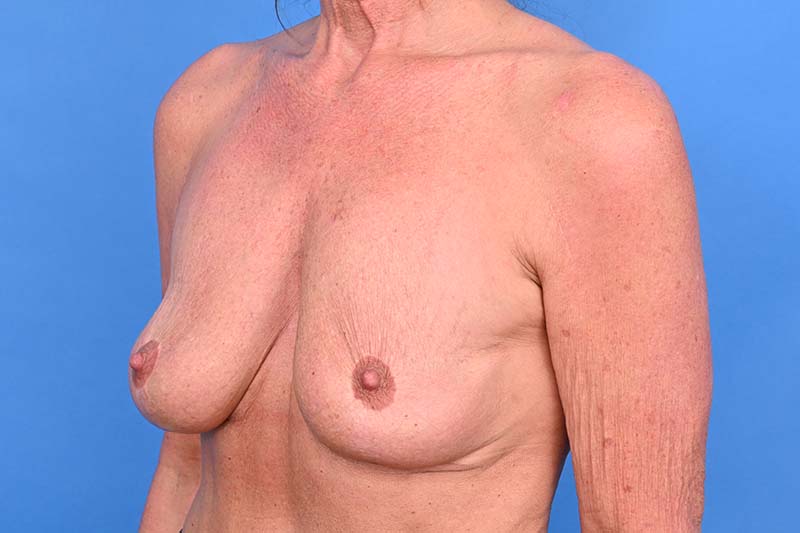
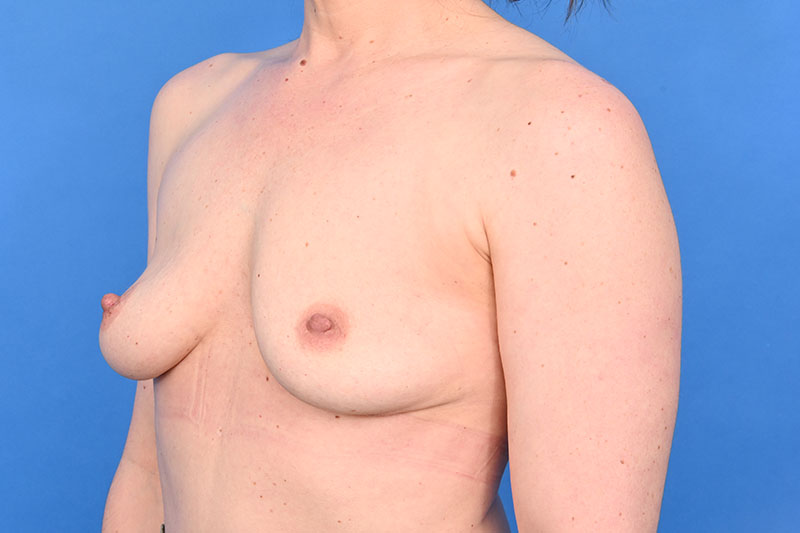
One of the biggest misconceptions is that breast implant removal automatically returns the breasts to their pre-implant appearance.
In reality, breast tissue changes over time due to:
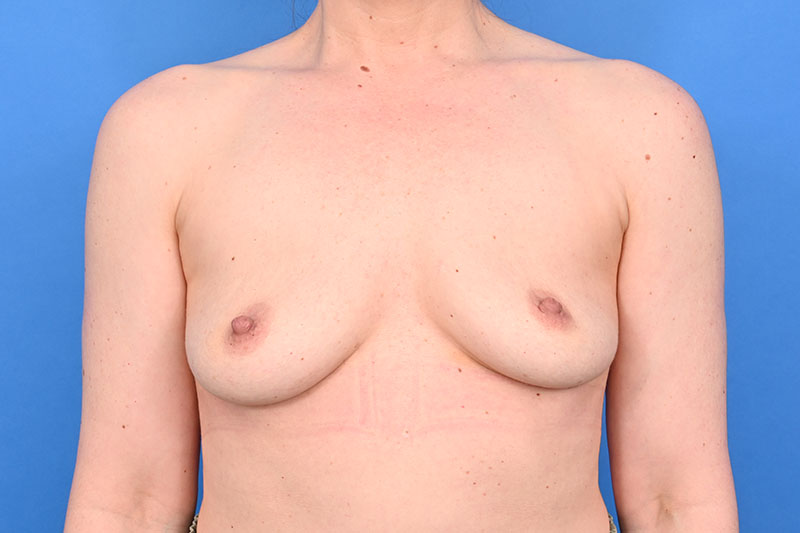
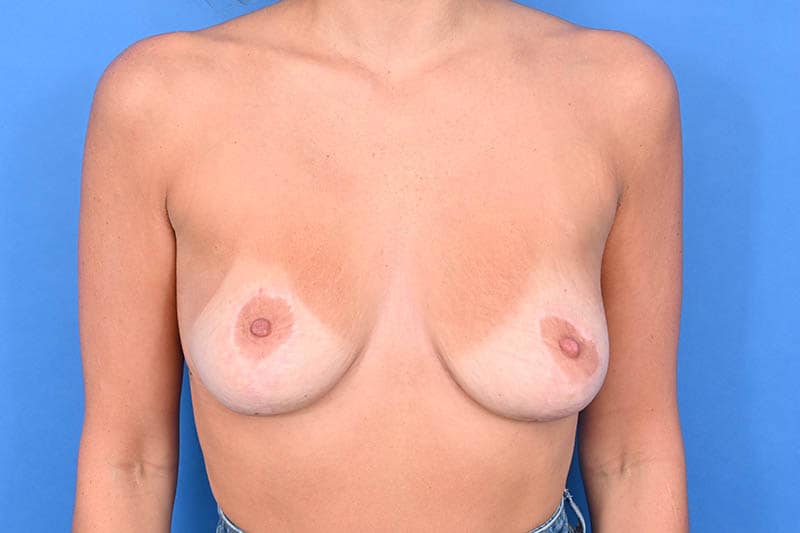
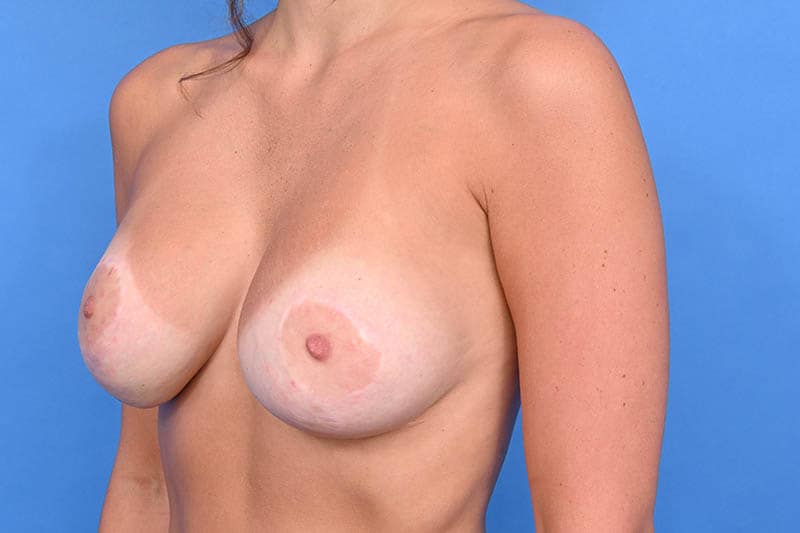
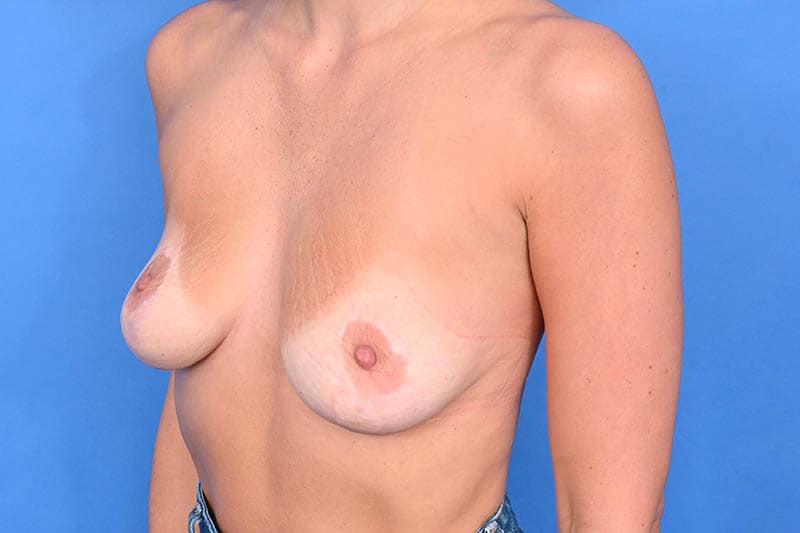
As a result, the breasts may appear deflated, sagging, or less full after implant removal.
The degree of change varies considerably from patient to patient.
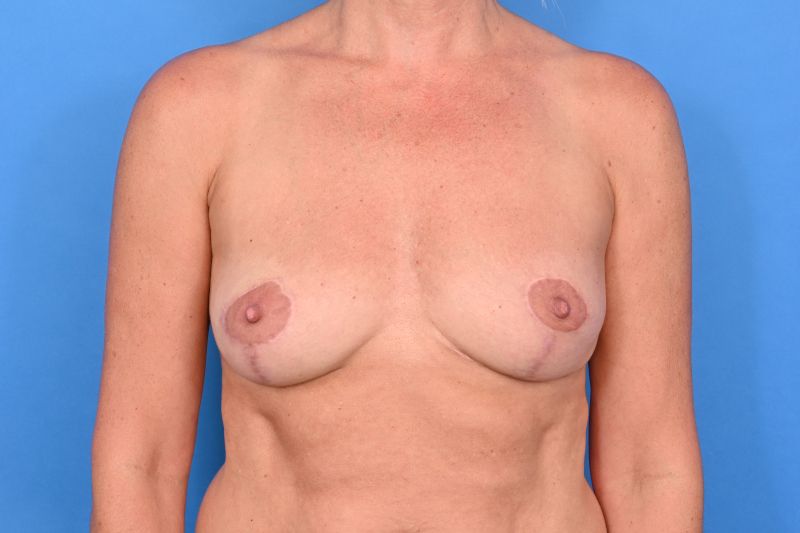
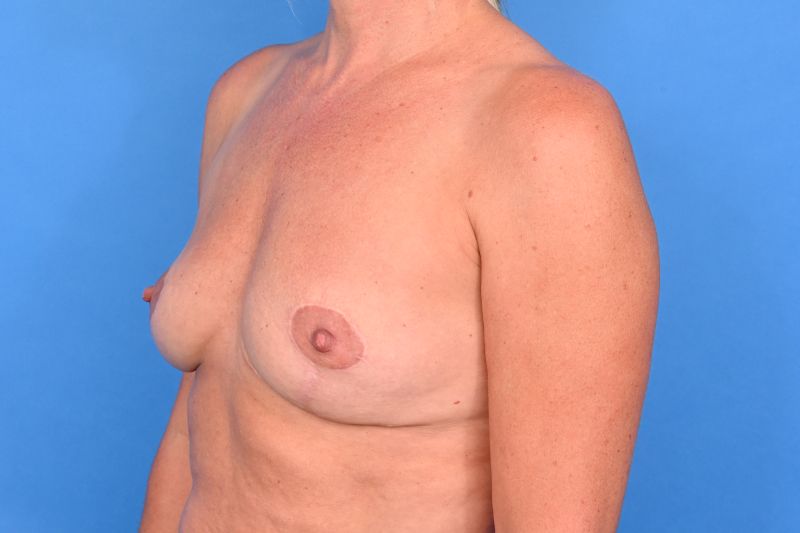
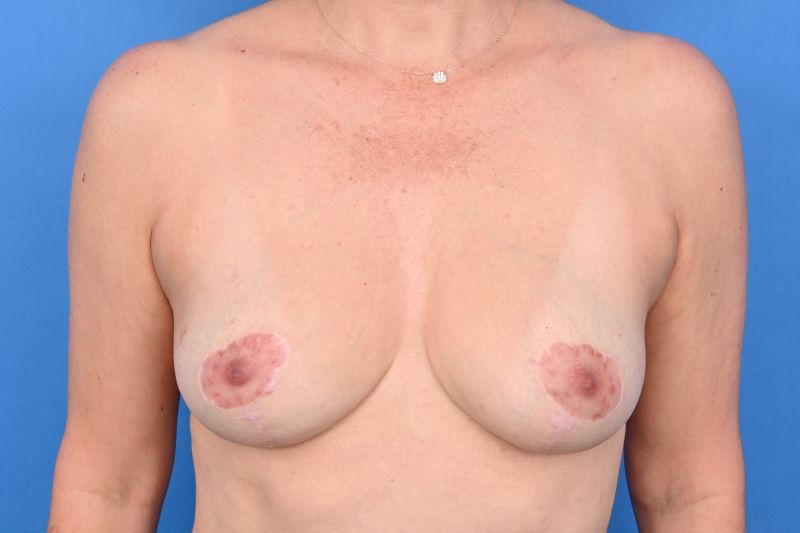
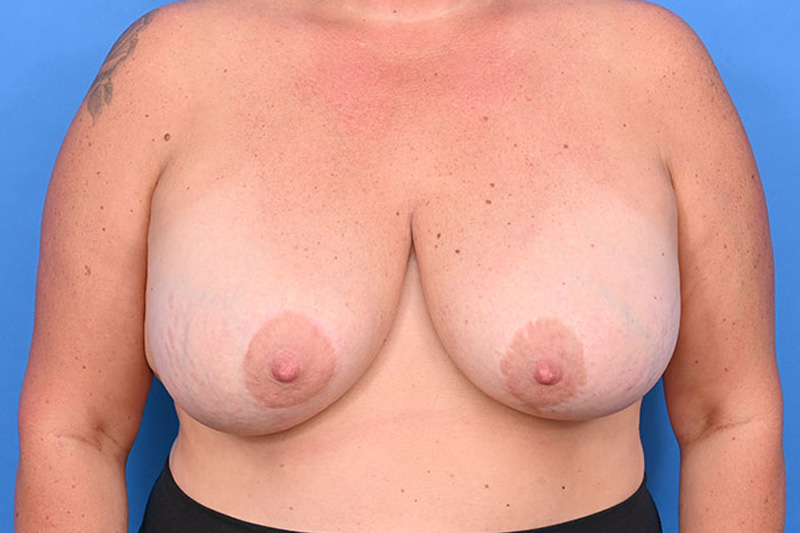
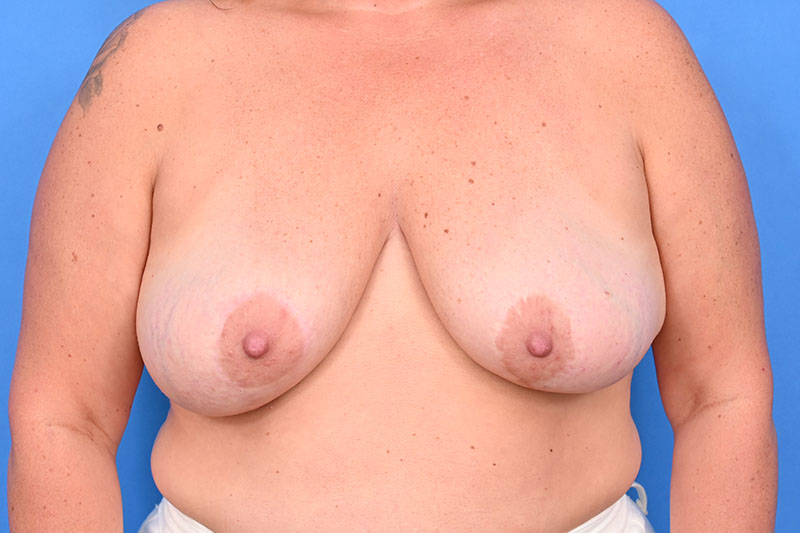
Women with smaller implants, excellent skin quality, and good breast tissue volume may achieve an excellent result with implant removal alone. Women who originally chose breast implants to correct breast sagging often discover that the underlying sagging returns after implant removal. These patients frequently benefit from a breast lift to restore breast shape and position.
This is often the most important question women ask.
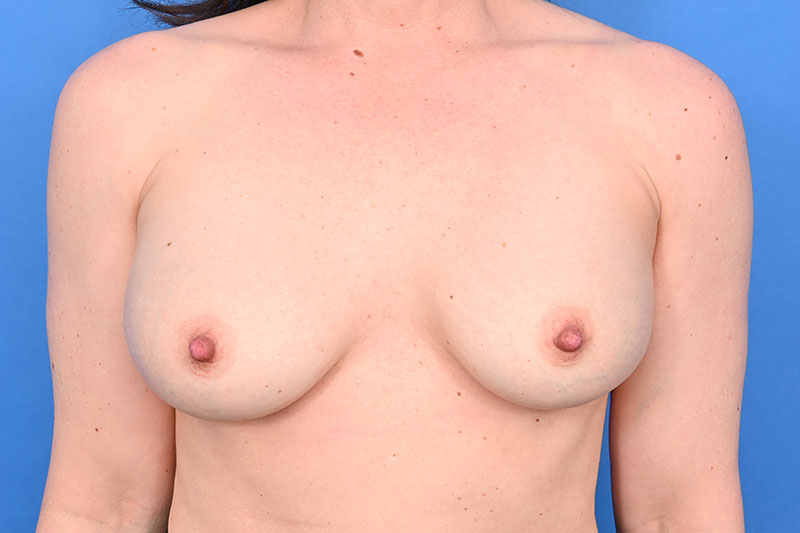
In my experience, women are often less concerned about having their implants removed than they are about how their breasts will look afterward. For this reason, breast shape—not simply implant removal—is often the most important part of the surgical plan.
The answer depends on several factors including your age, skin quality, implant size, duration of implantation, pregnancies, weight fluctuations, and the amount of natural breast tissue present.
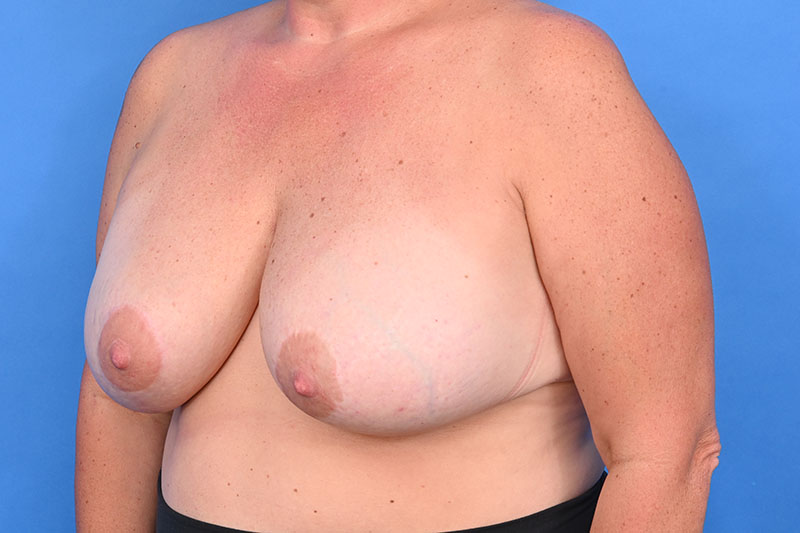
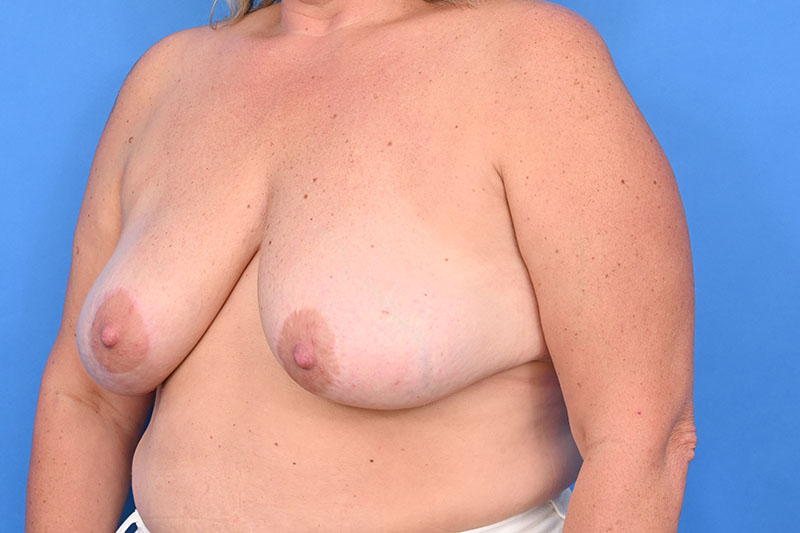
Some women maintain excellent breast shape after implant removal. Others experience varying degrees of breast sagging, loss of upper breast fullness, stretched skin, or enlarged nipple-areola complexes.
During your consultation, Dr. Caridi will carefully evaluate your breasts and discuss what degree of change you can realistically expect after implant removal.
The ability of your surgeon to accurately predict what your breasts will look like after implant removal depends heavily on experience. This is one of the most important aspects of the consultation process and helps determine whether implant removal alone or implant removal combined with a breast lift is the best approach.
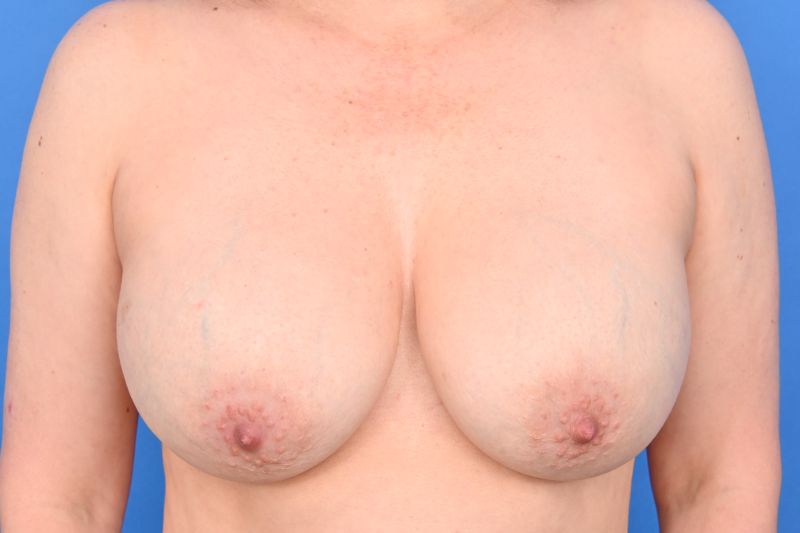
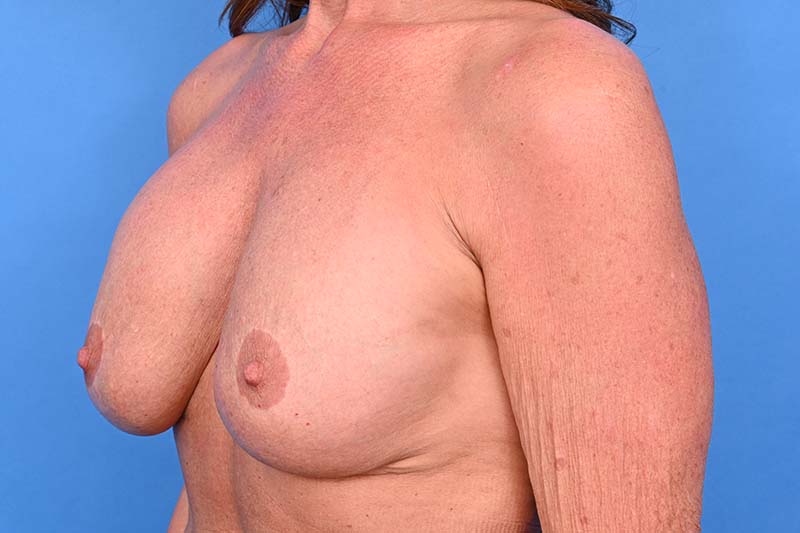
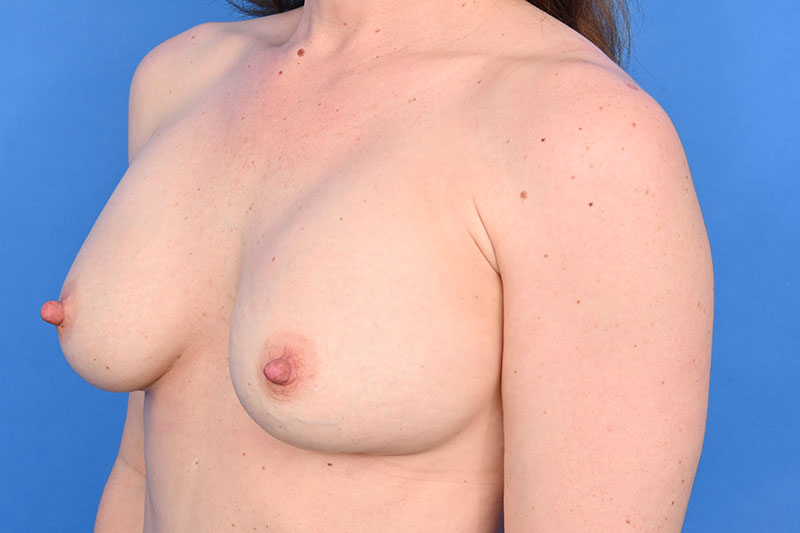
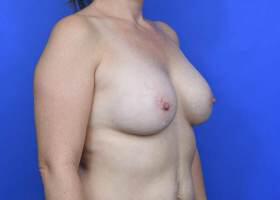
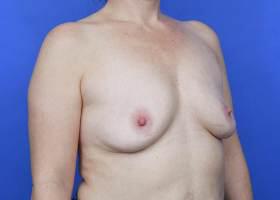
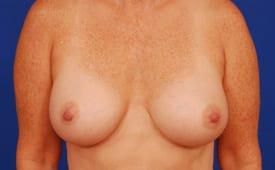
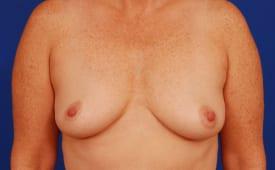
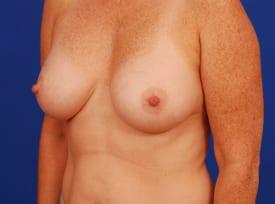
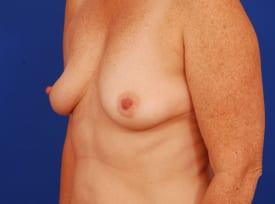
Right breast with intact implant and Left breast with deflated saline implant.
This is one of the most common questions women ask during consultation.
A breast lift, or mastopexy, is often recommended when there is significant breast sagging, stretched skin, or downward displacement of the nipple-areola complexes.
A breast lift can:
For many women, the greatest benefit of a breast lift is not necessarily making the breasts higher, but creating a breast that appears firmer, more youthful, and better shaped.
Whether a breast lift is necessary depends upon several factors including your age, skin quality, implant size, amount of natural breast tissue, and the degree of breast sagging present before surgery.
Some women achieve excellent results with implant removal alone. Others may benefit significantly from a breast lift to optimize their final breast shape.
There is tremendous confusion on the internet about breast implant removal. Terms such as en bloc, total capsulectomy, Breast Implant Illness (BII), and capsule removal are often presented as though they apply to every patient. They do not.
My philosophy is straightforward: perform the least amount of surgery necessary to safely achieve the best possible outcome. In many cases, that means removing the breast implants while leaving a thin, healthy capsule undisturbed.
A capsule is simply the thin layer of scar tissue that your body naturally forms around every breast implant. It is a normal biological response—not a disease. When the capsule is soft, healthy, and causing no problems, there is often no medical reason to remove it. Just because a capsule can be removed doesn't mean it should be removed. Removing a normal capsule adds operative time, discomfort, bleeding, recovery time, and potential risks without proven benefit for the vast majority of women.
Every patient deserves an individualized treatment plan. Some women require implant removal alone. Others may benefit from a partial capsulectomy, in which only a portion of the capsule is removed. Patients with significant capsular contracture, extensive calcification, implant rupture involving the capsule, or other abnormalities may benefit from a total capsulectomy. An en bloc capsulectomy, where the implant and capsule are removed together as one specimen, is reserved for uncommon situations, such as suspected or confirmed breast implant-associated anaplastic large-cell lymphoma (BIA-ALCL).
Many women also ask about Breast Implant Illness (BII). Although many patients report improvement in symptoms after implant removal, there is currently no diagnostic test for BII, and many questions remain unanswered. My role is to listen carefully, discuss the available scientific evidence, and recommend a surgical plan based on your symptoms, examination, and personal goals—not fear or misinformation found online.
The internet often promotes the idea that "more surgery is better surgery." I believe the opposite. The best operation is not the most aggressive one—it is the operation that safely addresses your specific condition while preserving healthy tissue whenever possible.
My commitment is to provide honest recommendations based on surgical experience, sound judgment, and the best available medical evidence. Every operation should have a purpose. By tailoring treatment to each individual patient, I can often achieve an excellent outcome while avoiding unnecessary surgery and its associated risks.
Many women choose to combine breast implant removal with a breast lift during the same operation.
This approach offers several advantages:
One of the most important decisions after implant removal is whether a breast lift is necessary. Dr. Caridi's extensive experience with breast augmentation, breast reduction, breast revision surgery, and breast lifts allows him to determine which patients will benefit from additional reshaping procedures and which patients can achieve excellent results with implant removal alone.
Removing the implants addresses the issue that brought a woman to consultation. A breast lift helps create a more youthful, attractive breast shape moving forward.
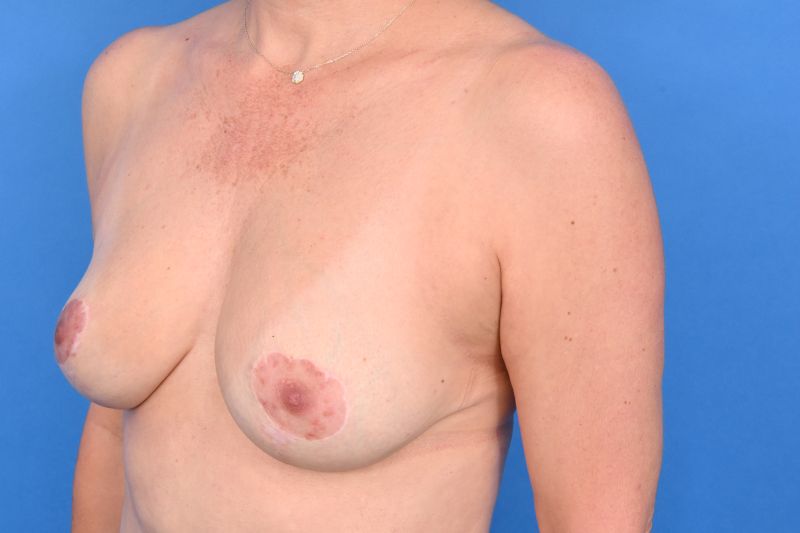
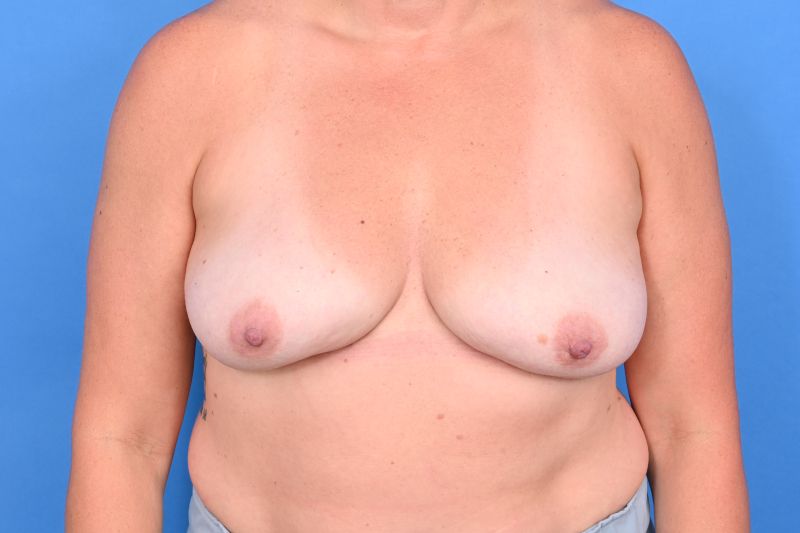
In many cases, implant removal combined with a breast lift produces a result that is actually more attractive than the patient's original breast augmentation. By removing excess skin, reshaping the breast tissue, reducing enlarged areolae, and repositioning the nipple-areola complexes, it is often possible to create breasts that are smaller, lighter, perkier, and more youthful appearing.
The goal is not simply smaller breasts. The goal is smaller breasts that are beautifully shaped, proportionate, and natural.
Not every woman wants to remove implants completely.
Some women desire:
Many women are surprised to learn that they do not have to choose between large implants and no implants at all.
Exchanging larger implants for smaller implants can often provide an excellent compromise that maintains breast fullness while creating a lighter, more proportional appearance.
Many women who underwent breast augmentation years ago selected implant sizes that reflected their goals at that stage of life. Today, many prefer a more natural appearance that better complements their body, lifestyle, and aesthetic preferences.
A smaller implant can reduce breast weight, improve comfort, and create a more balanced appearance while still maintaining attractive breast fullness.
In properly selected patients, a breast lift may be performed at the same time to optimize breast shape and position.
Whenever a breast implant is placed, the body naturally forms a layer of scar tissue around the implant. Think of it like this: imagine wrapping a smooth river stone in a thin layer of plastic wrap. That wrap is your body's doing — a thin sheet of scar tissue that forms naturally around the implant in the weeks after surgery. We call this the capsule.
Capsule formation is a normal biological response and occurs around all breast implants.
Most capsules remain soft and cause no symptoms.
Occasionally, the capsule can become thickened, hardened, or distorted, resulting in a condition known as capsular contracture.
A breast implant capsule is a thin layer of scar tissue that develops around every breast implant as part of the body's normal healing response. This capsule is typically only 1–2 mm thick and often acts as a natural stabilizer for the implant. It can also function as a secondary shell, such that if an implant develops a leak or rupture, the saline or silicone material frequently remains contained within the capsule.
Unfortunately, there is a great deal of confusion regarding the treatment of breast implant capsules. Much of the information found online is driven by fear, misinformation, and marketing rather than science and sound surgical judgment. Women are frequently told that all implant capsules must be removed, that capsules are inherently dangerous, or that capsule removal is necessary whenever an implant is removed. In reality, there is very little scientific evidence supporting these broad claims.
A breast capsule is simply scar tissue. In most cases, it is thin, soft, stable, and completely harmless.
The need for capsule removal depends upon several factors, including:
While some patients benefit from capsule removal, the overwhelming majority of women do not require removal of an otherwise normal capsule.
There is a spectrum of treatment options for implant capsules:
From a big-picture perspective developed over nearly 40 years of breast surgery, most women undergoing implant removal will not require capsule removal of any sort. If portions of an older capsule are brittle, calcified, thickened, painful, or otherwise abnormal, a partial capsulectomy may be appropriate.
An en bloc capsulectomy is a much more aggressive procedure that is generally reserved for true cancerous conditions such as Breast Implant-Associated Anaplastic Large Cell Lymphoma (BIA-ALCL). This is an extremely rare cancer involving the implant capsule, and treatment often requires removal of the implant and capsule together as a single specimen, sometimes including adjacent tissue.
True removal of every portion of the capsule is often not technically possible. The posterior capsule adjacent to the ribs and chest wall is frequently densely adherent, and attempts at complete removal can increase the risk of complications, including pneumothorax—a lung lining injury that can result in air accumulation around the lung.
The most common implant-related conditions that may require capsule treatment include:
Young capsules are generally thin and soft. Older capsules, often after ten or more years, may gradually thicken and occasionally become calcified.
Importantly, silicone implant rupture alone is not necessarily an indication for capsule removal. In many cases, the capsule can safely remain in place unless it is contracted, calcified, symptomatic, or otherwise abnormal.
Like any surgical procedure, capsule removal carries risks. Manipulation of the implant capsule often requires significantly more dissection than implant removal alone and may increase the risks of bleeding, hematoma formation, seroma formation, prolonged surgery, postoperative discomfort, and longer recovery times. Drains are frequently recommended after capsule treatment to remove the fluid that may accumulate following surgery.
In selected cases, straightforward implant removal can be performed under local anesthesia. Significant work on the implant capsule, however, generally requires full anesthesia.
Having performed breast surgery for nearly four decades and treated thousands of women with breast implants, Dr. Caridi believes that routine removal of a normal implant capsule is rarely necessary and should only be performed when there is a clear medical or surgical indication.
Women concerned about implant capsules deserve thoughtful recommendations based upon science, experience, and sound surgical judgment—not fear. The treatment plan should be individualized based upon the patient's history, implant age, implant-related complications, anatomy, symptoms, and goals to ensure that the safest and most appropriate operation is performed.

In most cases, the implant capsule requires no treatment after implant removal of any type. It will naturally involute over time and remain as an unnoticeable part of your breast.
Most women are surprised to learn that the body is quite capable of adapting to the presence of a normal capsule after implant removal.
A capsulotomy is a procedure in which the capsule is strategically released or opened, for example, to release a tight capsule or for women who choose a significantly larger implant.
A partial capsulectomy means that only a portion of the capsule is removed. The anterior, or most projecting part of the capsule, is often chosen for elective removal.
A total capsulectomy means that the entire capsule is removed. In reality, complete removal is not always possible. Portions of the capsule may be densely adherent to the ribs and chest wall, making removal more difficult and increasing the risk of complications such as bleeding or pneumothorax (air around the lung).
Because capsule removal creates a larger surgical space and requires additional dissection, drains are frequently recommended when extensive capsulectomy is performed.
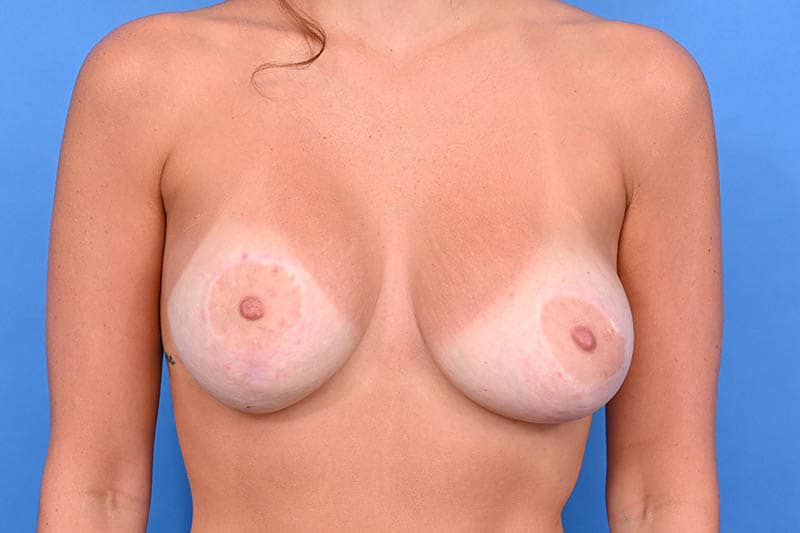
En bloc removal is a surgical technique in which the implant and surrounding capsule are removed together as a single unit.
Although en bloc removal has received significant attention online, it is rarely required from a medical standpoint.
Many women are surprised to learn that en bloc removal is not considered the standard treatment for routine breast implant removal, implant rupture, Breast Implant Illness, or most cosmetic breast concerns.
En bloc breast implant removal is a very aggressive surgical approach that requires extensive dissection of the breast tissues. In cosmetic breast surgery, it is rarely necessary and may increase surgical complexity, recovery time, and the risk of aesthetic deformities.
In fact, en bloc removal is generally reserved for a rare form of lymphoma associated with textured breast implants called breast implant-associated anaplastic large cell lymphoma (BIA-ALCL).
For perspective, despite almost 40 years in practice and many thousands of breast procedures performed, Dr. Caridi has never personally encountered a case of breast implant-associated lymphoma.
Some women seek breast implant removal because they believe their implants may be contributing to symptoms such as fatigue, brain fog, joint pain, skin changes, hair loss, anxiety, or other systemic complaints.
This group of symptoms is commonly referred to as Breast Implant Illness (BII).
While scientific understanding of BII continues to evolve, many women report improvement in symptoms following breast implant removal.
At present, there is no single laboratory test that confirms Breast Implant Illness, and the exact relationship between breast implants and these symptoms remains an area of ongoing study and debate within the medical community.
Women who are anxious about health-related breast implant concerns often find significant peace of mind after breast implant removal.
While some women report significant improvement following implant removal, no guarantee can be made that implant removal will resolve any particular symptom.
For many women, implant removal provides reassurance and allows them to move forward with greater confidence regarding their health and well-being.
Modern breast implants are durable, but they do not last forever.
Over time, implants can rupture or develop shell failure.
Signs of implant rupture may include:
Many ruptures produce few symptoms and are discovered during imaging studies or surgery. This is often referred to as a silent breast implant rupture.
Most patients considering breast implant removal for rupture do not require removal of the implant capsule. The capsule can be inspected during surgery and a decision made at that time regarding whether any portion requires treatment or removal.
The gold standard for determining whether a breast implant is ruptured is direct examination of the implant during surgery.
While ultrasound and MRI studies may be helpful, the definitive diagnosis is made when the implant is actually examined during surgery.
The cost of breast implant removal varies depending upon the complexity of the procedure and whether additional procedures are performed at the same time.
Factors that may influence cost include:
Because every patient has unique anatomy and goals, it is not possible to provide an accurate cost estimate without consultation.
During your consultation, Dr. Caridi will discuss your goals, perform an examination, and develop a customized treatment plan. A detailed quotation will then be provided so you fully understand the anticipated costs associated with your procedure.
The goal is not simply to remove implants. The goal is to achieve the safest procedure and the most attractive long-term result.
Recovery depends upon the procedures performed.
Most patients experience:
Patients who undergo simultaneous breast lift procedures typically require a slightly longer recovery than patients undergoing implant removal alone.
Most women return to light daily activities within several days and progressively resume normal activities over the following weeks.
Patients are encouraged to walk immediately after surgery and gradually increase activity as healing progresses.
Swelling continues to improve over several weeks, while final breast shape may continue to evolve over several months.
Detailed postoperative instructions are provided to optimize healing, comfort, and long-term results.
Every woman considering breast implant removal has a unique history and a unique set of goals.
Some desire complete implant removal. Others desire smaller implants. Some wish to improve breast shape with a lift. Others simply want answers and education before making a decision.
The most important decision is not whether your implants should be removed.
The most important decision is what your breasts will look like afterward.
Dr. Caridi will help you understand your options and develop a treatment plan designed to create the best possible result for your anatomy, goals, and lifestyle.
Whether your goal is complete implant removal, smaller implants, treatment of capsular contracture, improved breast shape, or simply peace of mind, you deserve a thoughtful, individualized approach based upon experience, science, and sound surgical judgment.
To learn more about breast implant removal, breast implant exchange, breast lifts, and capsule management, schedule a private consultation with Dr. Robert Caridi at Westlake Plastic Surgery in Austin, Texas.
Possibly. The degree of breast sagging after implant removal depends on several factors including implant size, skin quality, age, pregnancies, weight fluctuations, and the amount of natural breast tissue present.
Some women maintain excellent breast shape after implant removal, while others experience varying degrees of breast sagging or loss of upper breast fullness. During consultation, Dr. Caridi will help you understand what degree of change you can realistically expect.
Not necessarily.
Some women achieve excellent results with implant removal alone. Others benefit significantly from a breast lift to improve breast shape, remove excess skin, reposition the nipple-areola complexes, and restore a more youthful appearance.
The decision depends on your anatomy, goals, and the quality of your breast tissue and skin.
Yes.
Many women choose to combine breast implant removal and a breast lift during the same operation. This allows for one surgery, one recovery period, and immediate breast reshaping.
For many patients, this approach provides the most attractive long-term result.
Absolutely.
Many women no longer desire the implant size they selected years ago. Exchange to smaller implants can provide a lighter, more natural appearance while maintaining breast fullness.
In some cases, a breast lift may also be recommended to optimize breast shape.
No.
The vast majority of women do not require removal of an otherwise normal implant capsule.
The decision to remove a capsule depends on factors such as capsular contracture, implant rupture, symptoms, capsule thickness, and surgical findings.
Capsule removal should be based on sound surgical judgment and medical necessity rather than fear-based marketing.
A capsulectomy is a procedure in which some or all of the scar tissue capsule surrounding a breast implant is removed.
A partial capsulectomy removes only a portion of the capsule. A total capsulectomy attempts to remove the entire capsule.
Not every patient requires a capsulectomy.
En bloc removal is a surgical technique in which the implant and capsule are removed together as a single unit.
Although it has received considerable attention online, en bloc removal is rarely required for routine breast implant removal and is generally reserved for specific medical situations.
In most cases, no.
En bloc removal is not considered the standard treatment for Breast Implant Illness, implant rupture, or most cosmetic breast concerns.
The appropriate surgical approach should be individualized based on the patient's specific situation.
Breast Implant Illness (BII) is a term used to describe a collection of symptoms that some women believe may be related to their breast implants.
Reported symptoms may include fatigue, brain fog, joint pain, skin changes, hair loss, anxiety, and other systemic complaints.
The exact relationship between breast implants and these symptoms remains an area of ongoing study and debate within the medical community.
Many women report significant improvement in symptoms following implant removal.
However, no guarantee can be made that implant removal will resolve any particular symptom.
If you are considering implant removal because of health concerns, Dr. Caridi will discuss your symptoms, goals, and expectations during consultation.
Many implant ruptures produce few or no symptoms and are discovered during imaging studies or surgery.
Possible signs of rupture include:
The gold standard for determining whether an implant is ruptured is direct examination of the implant during surgery.
Breast implants are durable devices, but they are not considered lifetime devices.
Many implants function well for years, while others may eventually require replacement or removal due to rupture, capsular contracture, changes in breast appearance, or personal preference.
In many cases, yes.
Straightforward implant removal may be performed using local anesthesia. More extensive procedures such as capsulectomy, breast lift surgery, or implant exchange require IV sedation or general anesthesia.
Most women return to daily activities within a day.
Recovery varies depending on whether additional procedures such as a breast lift, implant exchange, or capsulectomy are performed.
Swelling gradually improves over several weeks, while final breast shape may continue to evolve over several months. Compression garments are recommended to help the breast skin to retract.
The cost varies depending on the complexity of the procedure and whether additional procedures such as a breast lift, implant exchange, or capsule removal are performed.
A personalized treatment plan and detailed quotation are provided during consultation.
In most cases, breast implant removal is considered an elective cosmetic procedure and is not covered by insurance. Some breast implant manufacturers offer warranty programs that provide replacement implants at no cost for patients with qualifying implants who choose to undergo implant exchange surgery.
Patients should consult their insurance provider regarding their specific policy and benefits. Westlake Plastic Surgery does not accept insurance.
When it comes to improving your life, there’s no time like the present. The decisions you make today about your skin health, your body, and your beauty will impact you for the rest of your life. For more than three decades, Westlake Plastic Surgery has made the future brighter and more beautiful for patients just like you. Schedule your consultation today to begin your aesthetic journey at Westlake Plastic Surgery.
Schedule An Online Consultation